The University Is a Credentialing Machine
Higher education stopped being about knowledge long ago. It's a sorting mechanism for employers, and the content is incidental to the credential.
Lorenzo ScaturchioLos AngelesAbout the author →
ExplorePower & institutionsMoney & work
The quiet transformation
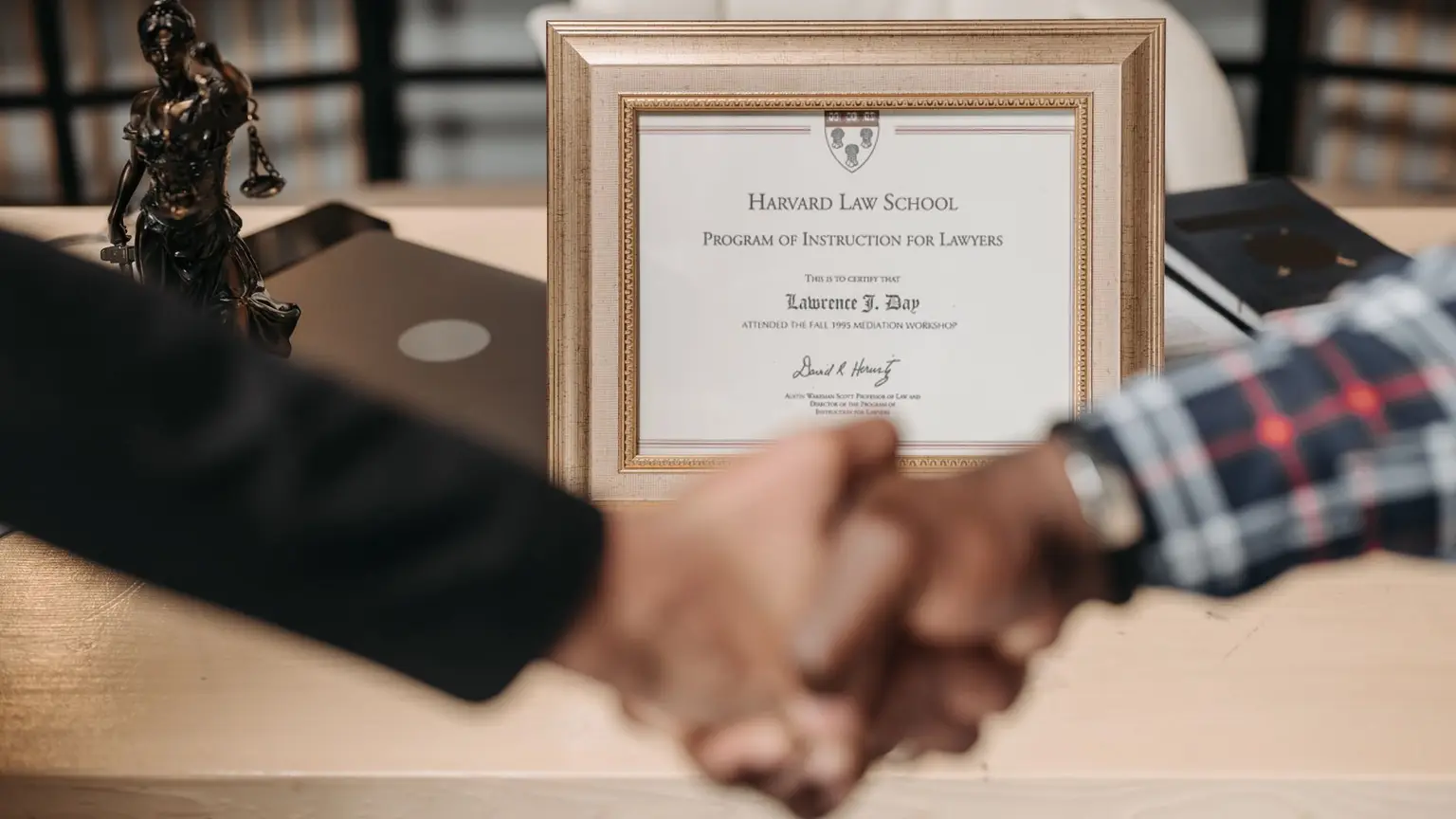
Something happened to higher education over the past fifty years. Not a collapse, not a dramatic reform, just a slow grinding shift that most people haven't fully clocked. Universities stopped being mainly about knowledge and became mainly about credentials.
I don't mean this cynically. It's just what the economics look like up close. Students pay extraordinary sums, often debt that will shape their finances for decades, to sit in lecture halls where professors read aloud from textbooks the students could have bought for fifty dollars. The same material sits in libraries, in online courses, in YouTube lectures, in a hundred free places. The degree still commands the premium. Why?
Because employers don't care what you learned. They care that you finished.
The signaling model
The economic theory is called "signaling." A degree doesn't prove you know things. It proves you're the kind of person who can get a degree: you showed up, jumped through the hoops, tolerated the bureaucracy, and delayed gratification for four years without quitting. To an employer that's worth knowing, often more than whether you can recite the causes of the French Revolution.
And everyone involved sort of knows it. Students joke about forgetting everything after the final. Professors watch the kids who slept through lecture walk across the stage with honors. Employers rarely ask about coursework in interviews. The system holds anyway, because it serves everyone's immediate interest. Students need the credential to compete, professors need their students employable, and employers need a filter that won't get them sued. The degree hands out plausible deniability in every direction.
The content problem
None of this makes education worthless. Learning matters; it has just come loose from the institution that's supposed to deliver it.
The best students learn despite their education. They read past the syllabus, chase the questions that actually interest them, and treat the university as a resource rather than a conveyor belt. The worst treat it as an obstacle course, minimum effort for maximum credential. Most land in between, picking up some real knowledge while mostly optimizing the GPA, and who can blame them when the incentives are this clear? A B+ in a class you learned nothing from beats an A- in the class that changed how you think, if the first counts for more and the second is an elective.
The system selects for grade-grubbing, so grade-grubbers do well in it.
The inflation spiral
Credential inflation follows. When everyone has a bachelor's, employers start asking for a master's. When the master's gets common, they want a PhD, or increasingly they just want relevant experience, which loops us back to wondering why the degree was load-bearing to begin with.
It's a collective action problem, and no single student can opt out. If the job requires the degree, you need the degree. That it proves nothing about your ability to do the work, that you could pick up everything relevant in six months on the job, none of that matters. The filter exists and you pass through it.
So enrollment holds, tuition climbs, debt stacks up, and the actual education drifts further from the thing being bought.
The real curriculum
The hidden curriculum, the thing universities really teach, is how to survive a large bureaucratic institution. How to read unclear requirements, juggle competing deadlines, perform competence for authority figures who hold your future, and stay friendly with peers who might matter later.
Those skills are real, and they port cleanly into corporations, agencies, any big organization. They're also nowhere on the brochure. The official curriculum, the courses and readings and intellectual development, is mostly theater. Sometimes beautiful theater, occasionally a genuine turning point for a particular student. Theater all the same, laid over the real work of sorting and certifying.
Who benefits
The system serves some people well. Elite institutions do best of all; their scarcity makes the value, and the value compounds through alumni networks and employer habit. Students from wealthy families do well too, carrying the credential without the debt and arriving with the cultural capital to wring the most out of the place. Faculty mostly come out ahead, with stable, high-status jobs, even when the grading and the paperwork feel a long way from the life of the mind.
The losers aren't hard to find. Students from modest backgrounds taking on crushing debt for credentials that don't reliably pay off. First-generation students who never learned the place runs on a hidden curriculum, and so never collect on it. Anyone who took the official purpose at its word.
The alternative that isn't
People float alternatives. Bootcamps, apprenticeships, portfolio hiring, competency testing. They exist at the margins and sometimes work well, but they can't scale into a replacement, because they don't solve the coordination problem. Employers need a filter. Students need a credential employers recognize. Neither side can move first, so the equilibrium holds, not because it's good but because it's stable.
The university won't reform itself; it has no reason to. Everyone inside the arrangement benefits from it, even as the arrangement produces a worse outcome for the whole than any of them would choose.
What now
Understanding this changes nothing on its own. It might change how you move through it.
If you're a student, treat the credential as the transaction it is and get it efficiently. Just don't mistake credentialing for education. Do the actual learning separately, on your own terms, with sources you pick. The library is still free.
If you're an employer, look hard at what you're really filtering for. The degree requirement may be doing less than you assume, and it's certainly screening out people who could do the job.
If you're a professor, this is probably a grim read. But the students who show up at office hours, who read past the syllabus, who treat the thing as more than an obstacle course, they're still there. They're the reason the job is still worth doing.
The university is a credentialing machine. It does other things too, some of them worth a great deal. Its main job in this economy is sorting and certifying: stamping people employable, thinning the labor pool, turning time and money into a signal an employer can read at a glance. That isn't all bad. Coordination problems need answers, and this is one. The honest move is to stop calling it an education.
Enjoyed this?
An email when I publish something new. That is the whole list; I have never sent it for any other reason.
Get notified when I publish new articles. Unsubscribe anytime.