Your Smart Home Is a Landlord's Dream
Smart apartment tech is marketed as convenience for tenants and works as surveillance for landlords.
Lorenzo ScaturchioLos AngelesAbout the author
ExploreTechnology & attentionPlace & climate
The amenity that watches you
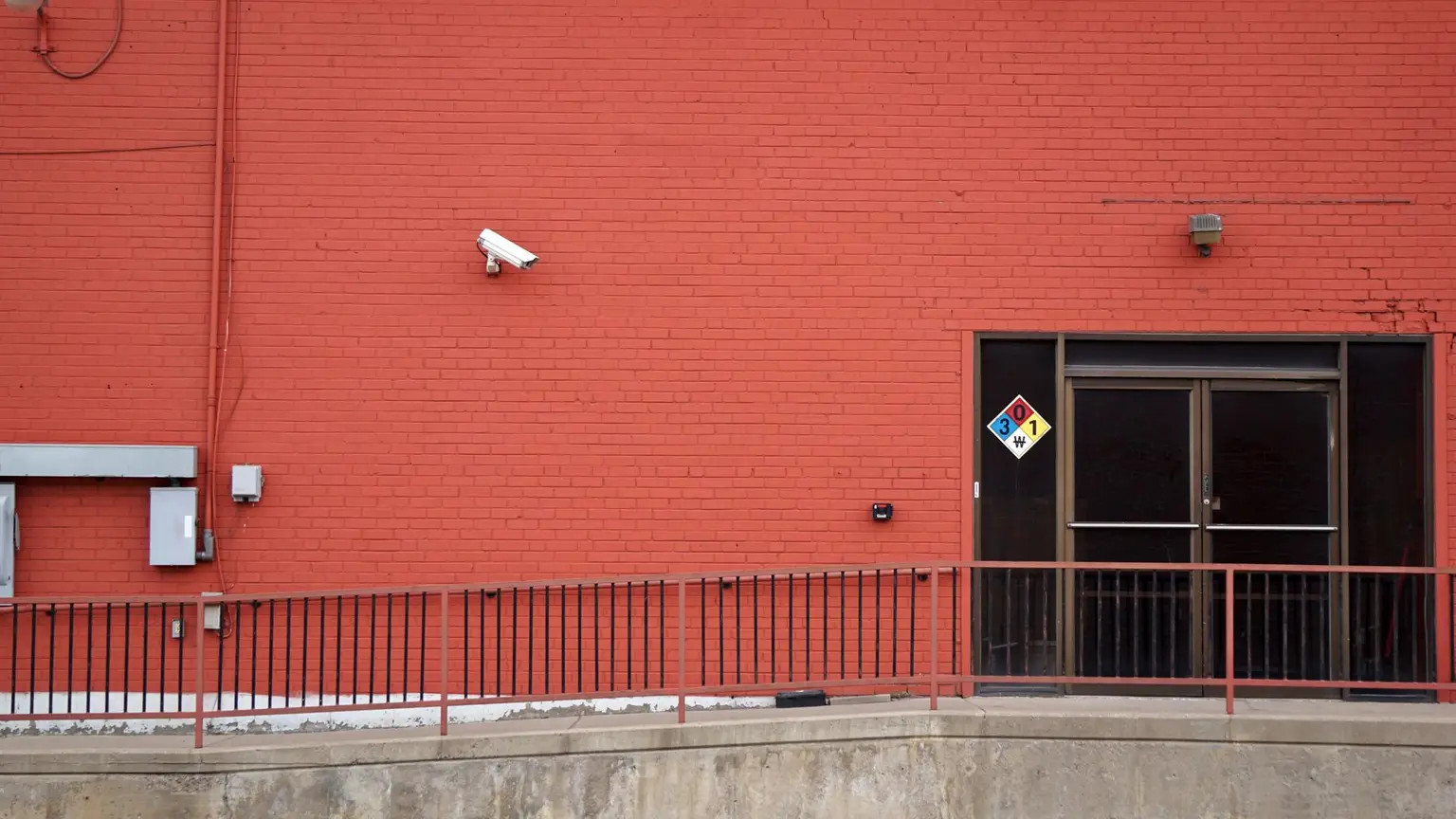
Your landlord knows what time you come home. They know when you leave, how warm you keep the place, whether you had guests last weekend. They know because you live in a "smart apartment" and every device in it reports to someone who isn't you.
This is a Tuesday in 2026. Smart locks, smart thermostats, smart doorbells, smart leak sensors get marketed to renters as premium amenities, lifestyle upgrades, the future of living. What they are is surveillance infrastructure that tenants didn't ask for and mostly can't switch off.
The question nobody asks during the apartment tour is who has the admin password.
The landlord's dashboard
SmartRent, which went public in 2021, sells property-management platforms that give landlords real-time access to data from every connected device in their buildings. The pitch to owners is explicit: reduce costs, increase efficiency, monitor units remotely.
The platform lets managers control smart locks, thermostats, and sensors across whole portfolios. They can see which units are occupied. They can adjust temperature remotely, ostensibly to save energy when a unit is vacant, except the capability doesn't switch off when someone's home. They can grant access and revoke it, and they can read the entry logs.
None of this is hidden — it's the selling point. SmartRent's own marketing to property managers leans on "operational efficiency" and "asset protection." The smart lock your landlord installed is a management tool that happens to also open your door.
Aaron Sankin and his colleagues at The Markup have reported extensively on how this technology rearranges power in rental housing. Tenants get convenience, keyless entry and an app for the thermostat. Landlords get data, access, and control. The trade is lopsided and the terms rarely make it into the lease.
The legal void
Tenant privacy law in the US was written for physical keys and paper leases. The frameworks governing what a landlord can monitor, when they can enter, what data they can collect, all of it predates the technology now wired into the walls.
Most states require 24 or 48 hours notice before a landlord enters a unit. But what counts as "entry" when they can read your thermostat data, your lock logs, and your motion-sensor activity without ever stepping inside? The FTC has raised concerns about IoT devices in rental housing. Regulatory action has been glacial.
Some landlords install devices that tenants can't remove or disable because they're part of the building's infrastructure. Your smart thermostat isn't yours. It's a building system. Live with it or live somewhere else.
Tenants have already had to litigate their way back to metal. In 2019, renters at 517 West 45th Street in Manhattan sued after their landlord replaced the lobby key with a smart-lock app that tracked entries; the settlement forced the landlord to hand back physical keys, and the case helped push a wave of "keys for tenants" proposals. That was tenants with lawyers. The quieter version is a code change during a dispute — a digital lockout that skips the eviction process, leaving the tenant to explain to a judge that they were evicted by app.
Ring and the surveillance corridor
Ring doorbells earn their own section because they pull off something specific: tenant-facing surveillance sold as tenant safety.
When your building installs Ring cameras, the footage belongs to Ring, which is to say Amazon. By 2022 Ring had partnership agreements with more than two thousand police and fire departments, and that July, Amazon told Senator Ed Markey it had handed footage to police eleven times that year without the owner's consent, under an "emergency" exception Amazon itself gets to interpret. In 2023 the FTC fined Ring $5.8 million because employees and contractors had been watching customers' private videos. The doorbell you pass on the way to your apartment feeds that network, and you never agreed to join it.
The math is different for renters. A homeowner who buys a Ring camera is making a choice about their own privacy. A renter in a building that already has them makes no choice at all. The camera was there before the lease and stays after they leave, recording the comings and goings of someone who was never asked.
Surveillance changes behavior, and we've known that for a while. People act differently when they know they're watched, the panopticon effect, named for Bentham's prison design, where the possibility of being seen does the work that an actual guard used to. You don't have to do anything wrong. You just have to know the eye is there.
You don't own any of this
The problem runs past landlords. It reaches what ownership even means once every device is a client logging into someone else's servers.
You don't own your Nest data; Google does. You don't own your Ring footage; Amazon does. Your smart TV's viewing habits belong to the manufacturer, who sells them to brokers, who sell them to advertisers, who assemble a profile of you that you'll never see and can't delete. Your Roomba maps your apartment and ships the floor plan to iRobot's cloud — and in 2022, MIT Technology Review traced intimate photos taken by development Roombas, including a woman on the toilet, to gig workers in Venezuela who had been hired to label the images and posted them to Facebook groups instead. Your smart speaker records audio and sends it off for processing. Your TV uses automatic content recognition to track what's on screen frame by frame and reports it to companies like Samba TV.
This is the business model. The real product is the stream of behavioral data flowing from your home to corporate servers to be packaged and sold. You paid for the device that surveils you. In a rental, you didn't even pick the device.
The erosion of private space
The law has a phrase, reasonable expectation of privacy, and the home is where that expectation is supposed to be strongest. It's why police need a warrant to search your apartment, why wiretapping statutes exist, why the home sits in the cultural imagination as the last refuge of the private self.
Smart devices wear that expectation down one data point at a time, and the aggregate is the problem. Your lock knows when you're home, your thermostat when you're asleep, your speaker what you say out loud, your doorbell who comes by. Stitch those streams together and you get a startlingly detailed picture of a life, assembled by companies you've never spoken to, stored on servers you can't reach, governed by terms you didn't read.
Renters are roughly 36% of American households, and they have it worse, because they lack even the theoretical choice. A homeowner can decline to install any of it. A renter walks into an apartment where the infrastructure is already running, controlled by the property manager, feeding platforms the tenant has no relationship with.
What would protecting tenants look like
A few jurisdictions are starting to catch up. Some cities have passed ordinances requiring landlords to disclose smart-home monitoring to prospective tenants, and a few states are weighing bills that would let tenants disable devices in their own units. The response is fragmented and well behind the pace of deployment.
Real protection would mean disclosure of every data-collecting device before the lease is signed, tenant control over the devices inside their walls, hard limits on landlord access to the data, and a legal standard that treats remote monitoring as a form of entry under existing notice rules. None of it is technically hard. It's unpopular with a property-management industry that has discovered surveillance is profitable and would rather keep it.
Home is not a product
We let the home become a platform: a place that generates data, serves ads, feeds analytics. The industry's picture of the future is one where every surface and appliance and threshold is a collection point.
An owner can accept that trade or refuse it. A renter has it imposed. The asymmetry between landlord and tenant, in information and power and control, is exactly the kind of asymmetry this technology widens instead of closing.
When everything in your home phones home to someone else, home isn't private. It's a fishbowl with a lease, and the fish don't get to choose the glass.
Enjoyed this?
An email when I publish something new. That is the whole list; I have never sent it for any other reason.
Get notified when I publish new articles. Unsubscribe anytime.